


Peace Lily Care
The first thing that Peace Lily owners usually notice about their care is that they wilt pathetically if allowed to get the least bit too dry. This wilting can occur quickly and will result in the leaves sagging over the rim of the pot. Surprisingly, a badly wilted Peace Lily will recover just as quickly and dramatically once it is watered.
LIGHT: In their native habitat, Peace Lilies grow on the floor of the rainforest where the light is deep shade. Thus, Peace Lilies do not tolerate direct sunlight well at all. When exposed to direct sunrays, the leaves will turn a pale sickly green and sometimes brown. The best light is bright indirect light. That would be as close to a window as possible but just beyond the reach of the sun's direct rays.
WATER: Ideally, you will water your Peace Lily just before it starts to wilt. With a healthy new Peace Lily, that occurs when the surface of the soil still feels slightly damp. With older or newly repotted Peace Lilies the top half-inch or so of soil may need to dry before it reaches the wilt-point and needs water. It is the failure to recognise this change that an aging Peace Lily makes that most often leads to their demise because they are watered too often.
Once the soil has become very dry, it is sometimes hard to rewet the soil. If this happens, allow the pot to sit in several inches of water for an hour so that it can wick up the water and become completely saturated. Then wait until the plant just begins to wilt a bit before watering thoroughly once again.
HINT: Every couple of months let your Peace Lily start to wilt. This will tell you how long it can go or how dry it can get before it really needs water.
WATER QUALITY AND FERTILISER: Peace Lilies are sensitive to the buildup of certain minerals in the soil. If your local tap water is on the hard side, then use filtered, distilled, or rainwater for your plants. It is also important not to overdo the fertiliser (another source of minerals) as too much can damage the delicate roots. Our Seaweed plant feed is an ideal fertiliser for your Peace Lily.

Fertilise only when your Peace Lily is growing vigorously. Mix it at half strength and apply it monthly. Any balanced fertiliser is fine, but one with a higher middle number (5-10-5, for example) will help promote flowers a bit more than other formulations.
REPOTTING: Peace Lilies are more inclined to produce flowers when they are potbound. Moving your Peace Lily into a larger pot will discourage flower production and, worse, may lead to root suffocation. It is best not to repot, if at all possible. If your Peace Lily dries to the wilt-point every 2 or 3 days, then it might be ready for a pot one size larger. Otherwise, leave it in its existing pot.
TEMPERATURE: Peace Lilies don’t like temperatures below 60 degrees. Normal home temperatures are fine.
TRIMMING: Leaf tips and edges will turn yellow and brown for many different reasons including improper water, too much light, poor water quality, and too much fertiliser. Try to determine the cause and eliminate it to prevent further damage to the leaves.
Discoloured leaf edges and tips will not recover. Use sharp scissors to trim the discoloured leaf margins and tips. Cut so that the original contour or shape of the leaf is maintained, i.e., so that it does not look obviously cut. In some instances, it may be better to remove the entire leaf. Sterilise a shar pair of scissors with boiling water first before cutting.
PROPAGATION BY DIVIDING: Typically there are multiple Peace Lily stems growing out of the soil. These multiple stems help support one another and create a more compact, fuller-looking plant. In general, it is best to leave these multiple stems together in the same pot. Attempting to divide the plants will damage many of the fine root hairs and may permanently stress the plant.
FLOWERING: Why don’t my Peace Lilies bloom any more? This is a common question with many explanations. Most Peace Lilies sold today are hybrids that have often been genetically selected to produce very large leaves or a darker green color or variegated leaves. This is often done at the expense of continued flower production. Many hybrids are timed to produce a large burst of flowers at point-of-sale, but then only flower sporadically thereafter. Unfortunately, there is nothing you can do to alter the genetic makeup of your plant. Peace Lily blooms last one to three weeks, depending on the environment.
That said, there are several things that you can do to promote flowers within these genetic limitations:
• Provide bright indirect light rather than low light.
• Keep your Peace Lily potbound
• Fertilize monthly at half strength
If that doesn’t work, then enjoy your Peace Lily as the lovely foliage plant that it is.
GREEN FLOWERS: Sometimes new flowers emerge and are green rather than white. It's all in the genes and there is nothing you can do about it. Nearly all Peace Lilies sold today are hybrids that are "designed" to produce a flourish of white flowers at point-of-sale. After that, the flowering tends to be more sporadic and the flowers often revert to green.
DISCOLORATION OF LEAVES: Brown and yellow spots on the edges of leaves are very common with Peace Lilies and sometimes hard to eliminate. Unfortunately, there are numerous causes of these symptoms, including natural aging. If these symptoms are appearing on only a few of the older (lower) leaves, then it is just natural aging as healthy new leaves replace the older leaves. If it is more extensive than that, then it may be caused by improper light or watering or using hard water.
These symptoms are rarely a sign of disease or poor plant health. However, if newly formed leaves are discolored, then that is more serious and usually is a symptom of root suffocation due to overwatering. Often, it is too late by the time this particular symptom appears.
HUMIDITY: Low humidity is not the cause of leaf spotting on Peace Lilies. Many times people don't realise that plants need more water when the humidity is low because of increased evaporation. If the roots get too dry, especially if the soil is over-fertilised, brown spots will appear on the leaves as a result of the underwatering, not the low humidity.
LONGEVITY: Peace Lilies do have a tendency to decline as they age. They are not a particularly long-lived indoor plant although this can vary with particular varieties and overall care. When it comes to frequent flowers and a long life, keep your expectations low with your Peace Lily.
For the last year I have been running a Pop Up Shop situated inside the quaint little pub in the heart of Cleethorpes. Found on Cambridge Street in the popular Seaview Street Quarter, People Bar, 20 Cambridge Street Cleethorpes has been my working home for the last year.

I first popped up at People Bar in October 2021 in time to start the Autumn season so we filled the street with our popular Hydrangea Wreaths. This time of year provides florists with an abundance of colour and textures to play with. I set out the front of the shop each day with an array of fresh flower hand ties that included Rosehips and dried seed pods and made a selection of fresh wreaths each week to hang on front doors.
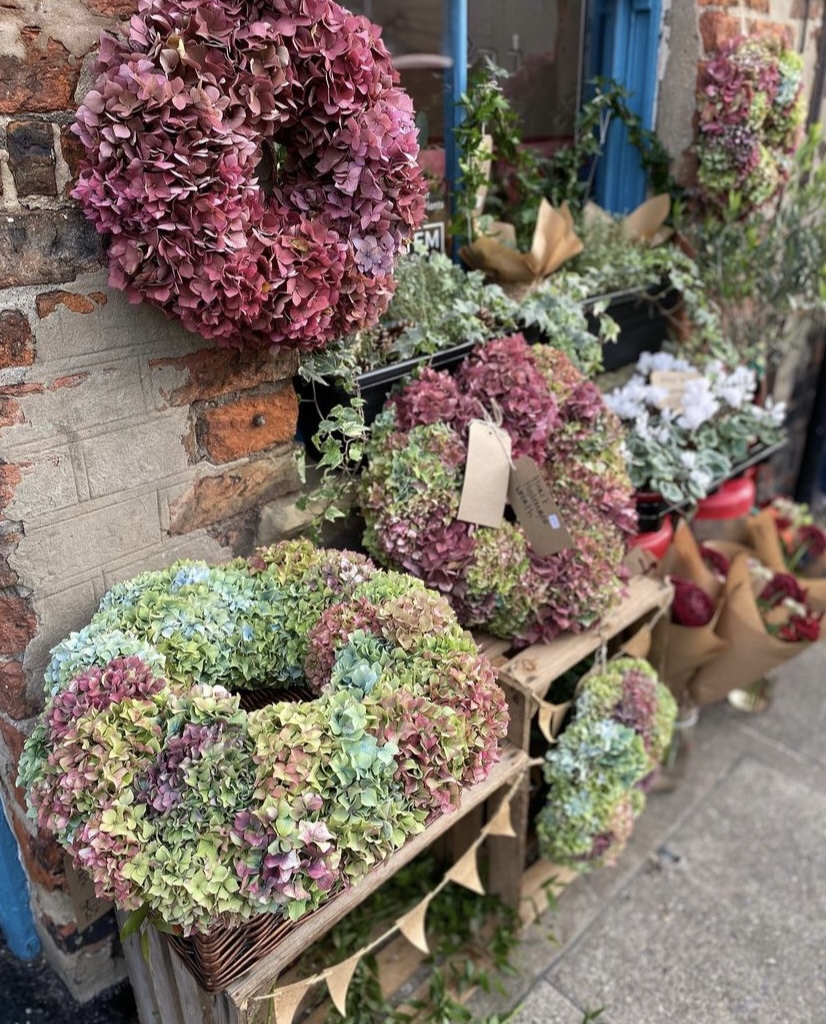
Getting ready for Christmas starts off the winter season. I returned to offering Christmas Wreath workshops and filled People Bar with vibrant door wreaths, plant related gifts and also opened longer hours for those needing Christmas shopping time. Seeing as we are housed in a bar a vat of mulled wine was served to the shoppers and workshop goers. The friendly and cosy surroundings truly made me feel like I was home.

Im here for you! Once the Christmas decorations come down my houseplant owners, enthusiasts and valued customers return for fresh green plants to share their homes with once the Christmas tree is taken away and the decorations come down. The seasons of Spring and Summer always seem to then move fast, probably because a florist works faster in these months when wedding work clusters around the warmer days with longer day light hours. My cycle of houseplant stock demanded more attention with keeping up with care, watering and feeding as they wake from their dormant quiet winter months.
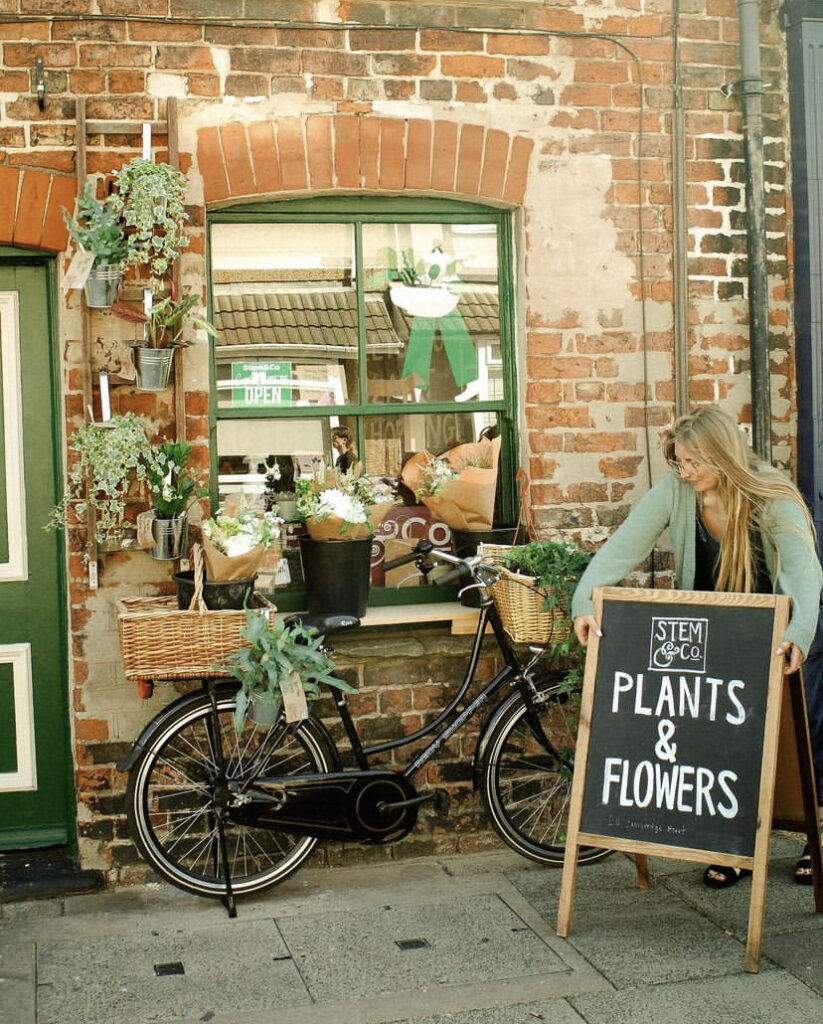
This year saw me trading both in plants and fresh flowers. With lots of customers buying dried flowers too enabled me to build up an exciting array of stock. Our dried flower bouquets and arrangements consist of earthy tones and splashes of muted pinks. They are currently very popular and available in the shop and online.

A treat each week is to make up fresh hand ties following the colour palette for each season. I’ve been keen to use seasonal stock that has less air miles where possible.

A huge thank you goes out to Brett and his team that run People Bar alongside other local pubs and eatery hot spots, all well known in the area. Their kindness and hospitality has allowed me to take Stem&Co on a beautiful year long journey and has allowed me time to build and push my business into exciting new directions. He has been like a business big brother and from this support I’ve launched a new range of plant care products born from my time and experience of tending to houseplants. I truly beleive Brett has allowed me time to feel creative and push into a new plant related avenues and for this I am truly thankful. Find out all that they do by visiting their website Slipway Group. In fact treat yourself and book a table at Folk and sample a Bottomless Brunch and don’t forget to order their infamous Scotch Eggs!

If you are reading this and live out of the area and fancy a trip to the seaside then please come visit! There’s so much to do in Cleethorpes. Here’s an article recently featured in Coast Magazine about just that. Its a great article to read and contains ideas of where to go and what to see in our area- from plant shopping in my cute little plant shop to Stand Up Paddle Boarding.

Made In Grimsby has created a great directory of local businesses and things to do in our area. I’d always recommend this website for up to date local information.
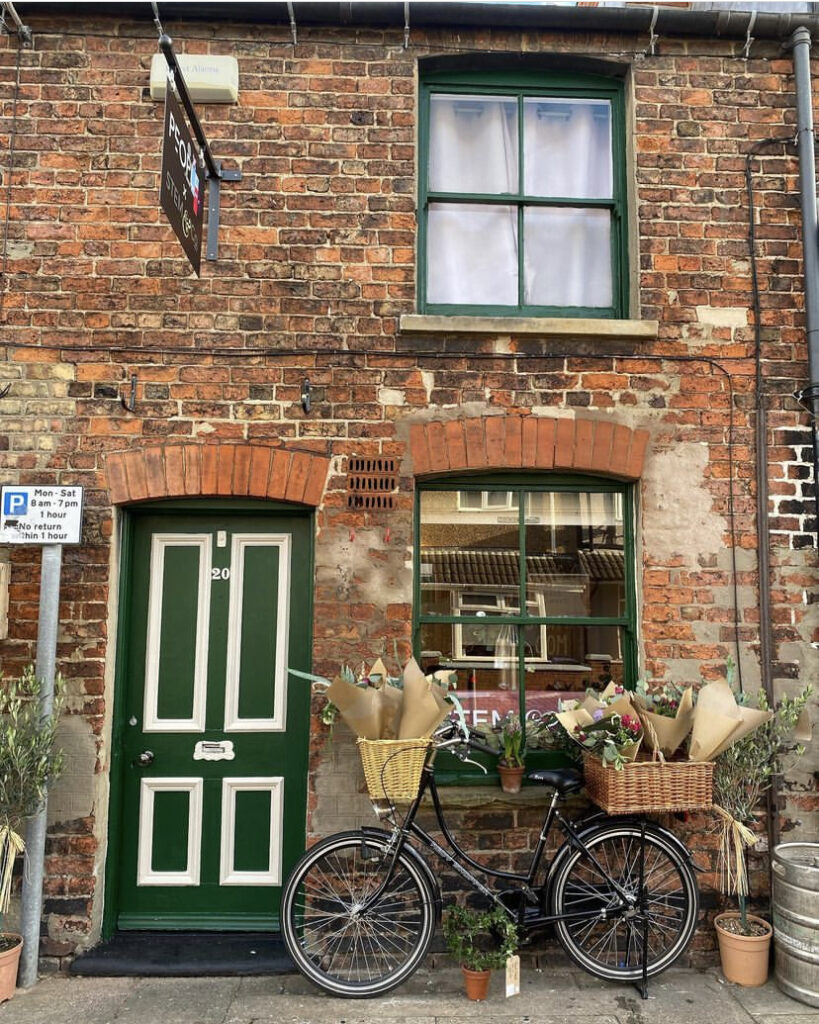
My current opening times are Tuesday, Wednesday and Thursdays 10-4pm. We are also running workshops throughout the year if you fancy joining in. A new category has been added onto the website to easily find the dates and details for booking yourself on.
