


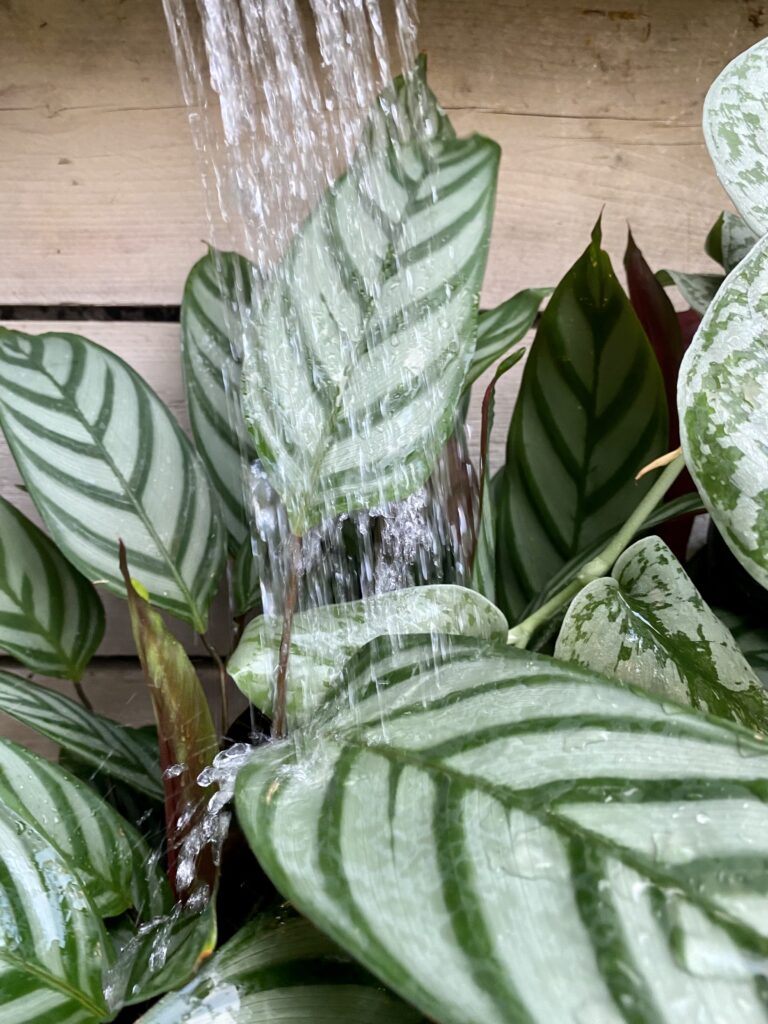
This is a hot topic for most house plant owners.
I have many conversations about how to actually water plants and what is best to use.
Tap water
It is often reported that tap water is bad for house plants and that it should never be used or that it should be left to stand out in the open for 12-24 hours before use. The assumption is that the harmful chemicals found in tap water such as CHLORINE and fluoride will evaporate into the air.
Edge browning on certain plants like Dracaenas and Spider Plants has been attributed to FLUORIDE damage.
Some decades ago, nurseries used superphosphate as a nutrient, and that was a major source of fluoride concentration damaging to plants. Once that was understood, nurseries stopped using superphosphate so it is no longer a problem. As with chlorine, fluoride concentrations in our water supplies are not enough to seriously damage plants but will cause brown edges. Calatheas often show damage from tap water as they are another type of houseplant that is sensitive to tap water use.
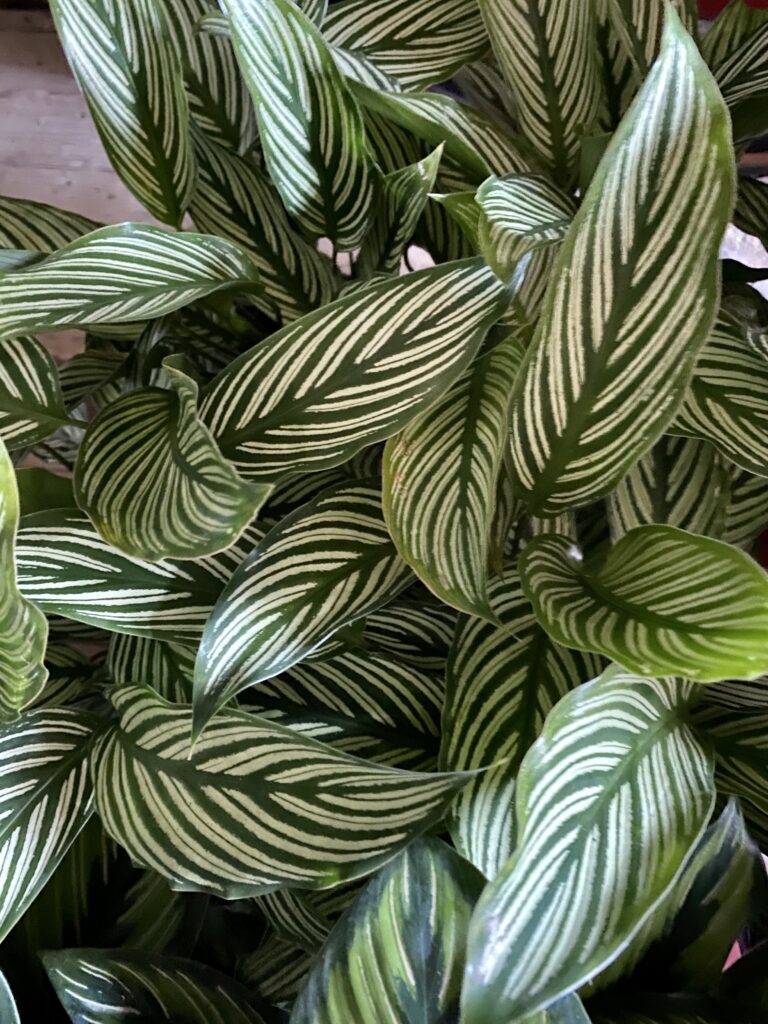
Counties that have hard tap water such as Lincolnshire is damaging to house plants. HARD WATER contains an abundance of minerals that can gradually build up in the soil around the roots and cause damage. Hard water can also change the pH level of the soil. This is also a common problem with well and spring water. Artificially SOFTENED water adds chemicals to the water that are also detrimental to plants.
The Myth
Letting hard water sit in an open container doesn’t help because the minerals don’t evaporate, but the water does. If you live in a hard tap water area too, you will have to use filtered, distilled, or rainwater instead. If rainwater is runoff from roofs and gutters, then it may become contaminated along the way.
Some may recommend that you use fish and aquarium water as a source of nutrients for your plants. This may or may not be true depending on what has been living in that water and what fish food may have been added. Fish water may indeed contain some beneficial plant nutrients. The problem is that it varies so much that there is no way to know if the concentrations of these nutrients and other substances are helpful or harmful. Using fish and aquarium water for your plants is risky and not a reliable source of nutrients.
In conclusion
If your tap water is hard, then use filtered, distilled, or rainwater. the absolute purest cleanest form is DISTILLED.
Make the switch and notice a differ with with your leafy pals.
Flush out any built up minerals present in the soil with a good watering and allow the excess water to drain away.
The solution.
Stem&Co have invested savings in a water distiller. We now sell 5L canisters of pure distilled water follow this link to purchase. Another step made towards stronger and healthier plants in the home. invest in a decorative watering can, some designs are especially for waterings plants in the home that look great on your shelves amongst your plants and knick knacks- no need to hide away. Join us in this pure water revolution!


